



Forgot Password

Not a Member? Sign up here!

banner
banner

WOND News Archives for 2026-02

Atlantic City Council Gives Preliminary Approval to Caesars Beach Bar Project

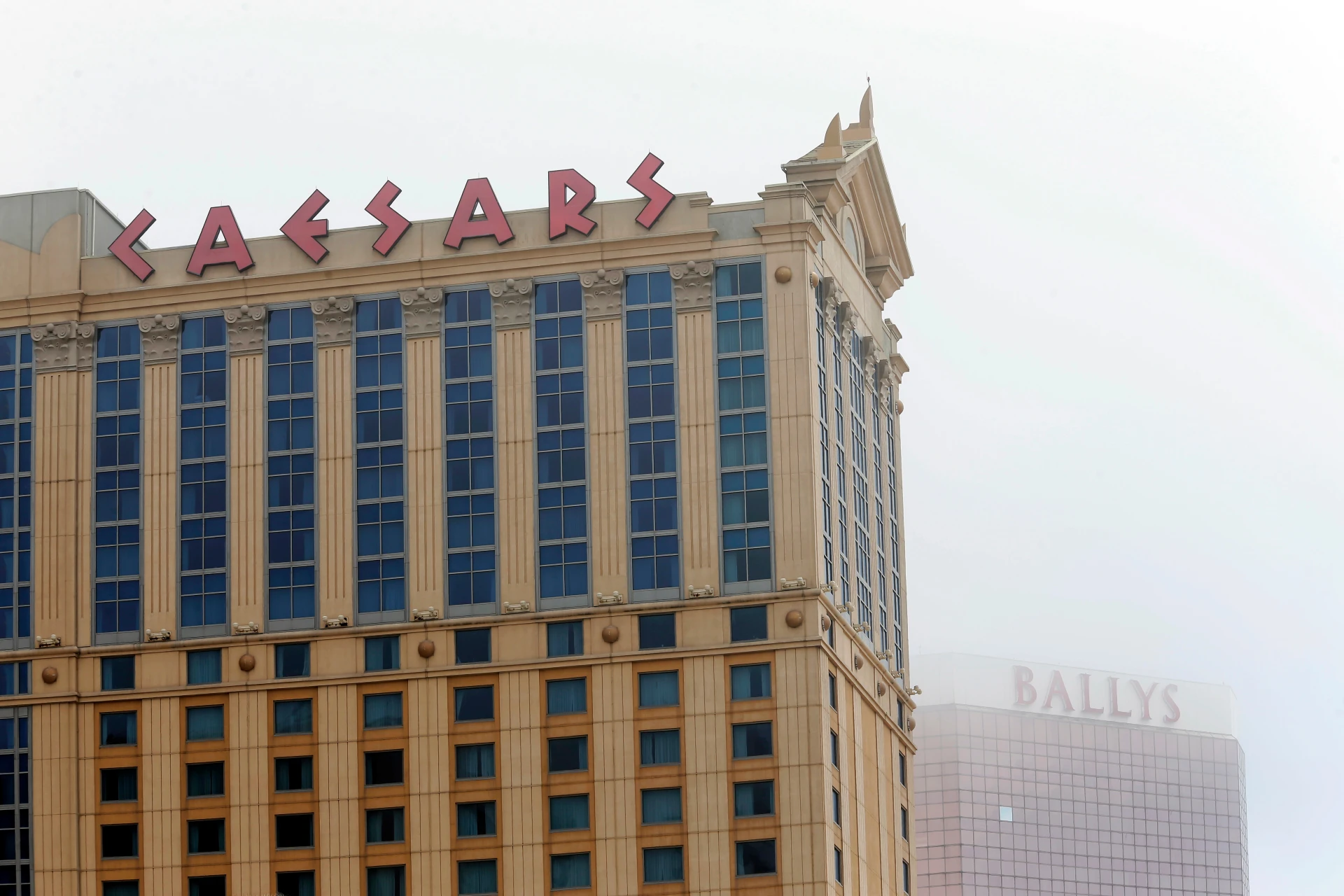
ATLANTIC CITY — The Atlantic City Council has given preliminary approval to a proposal that would allow Caesars Atlantic City to build a new beach bar on city-leased beachfront property, a move aimed at enhancing the resort’s summertime attractions but not without sparking debate among residents and local officials.

The ordinance, approved on a first reading during a recent council session, amends Caesars’ existing beachfront lease to permit construction of an outdoor bar and entertainment venue in the sand area in front of the casino. The measure will return for a final vote after a required public hearing, and must also clear necessary state approvals before any construction can begin.

Supporters of the plan say the beach bar could boost Atlantic City’s tourism appeal by offering fresh dining and entertainment options that extend beyond gaming. Proponents on council described the project as part of a broader effort to diversify the city’s attractions, bring more visitors to the boardwalk and support local jobs.

“We’re talking about enhancing our shoreline and making Atlantic City a year-round destination,” Council President Joseph Polillo said. “If done right, this beach bar can complement our entertainment mix and create summer vibrancy.”

However, detractors — including some neighborhood advocacy groups and long-time residents — have raised concerns about the proposal, particularly its potential impact on public access, noise and overcrowding.

Atlantic City resident Maria Gonzalez, speaking at the council meeting, said she worries that an expanded beachfront nightlife scene could make it harder for families to enjoy the sand and surf. “We want economic development, but not at the expense of peace on our beaches,” Gonzalez said.

Others questioned whether sufficient plans are in place for noise control, restroom facilities and crowd management, especially during peak summer weekends. Some critics also called for clearer details on how the project will address environmental protections for the shoreline.

City officials assured residents that any final approval would include conditions to preserve public access and safeguard safety protocols.

The beach bar proposal now moves to a second reading and public hearing, where members of the community will have the chance to voice support or opposition before council takes a final vote.

Atlantic City Casino Revenue Climbs as Online Gaming Surges

Atlantic City’s gaming industry kicked off 2026 with notable momentum as total gambling revenue in New Jersey reached $586.4 million in January, up 5.9 percent compared with the same month a year ago, according to data released Tuesday by the New Jersey Division of Gaming Enforcement (DGE). That increase reflects a continuing trend of growth in both traditional casino play and, especially, internet gaming — a segment that now accounts for nearly half of total statewide gaming revenue.

Despite bitter winter weather and the city’s customary slower off-season, Atlantic City’s nine casino-hotels reported solid results on the ground. Brick-and-mortar casino win — the amount retained by casinos from in-person gaming — totaled $213.3 million, a 1.6 percent year-over-year increase, marking the strongest January figure in more than a decade for the resort’s physical properties.

Industry analysts say these results highlight a broader resilience in the market, with online gambling playing a key role. Internet gaming revenue — which includes online slots, table games and related activity — totaled $258.9 million in January, a 16.8 percent increase over January 2025. That continues a pattern of double-digit growth in the digital arena, where online operators have, in recent months, outpaced their land-based counterparts in revenue generation.

“This sustained performance in internet gaming, now regularly eclipsing traditional casino revenues, underscores a structural shift in how and where players choose to gamble,” said gaming industry observer Jane Bokunewicz of Stockton University’s Lloyd D. Levenson Institute of Gaming, Hospitality and Tourism.

Sports betting — another major sector of New Jersey’s gaming landscape — saw a modest decline. Operators reported $114.2 million in sports wagering revenue for the month, down 6.5 percent from January 2025, even as the total handle (amount wagered) exceeded $1 billion.

The January revenue report also reflects the diversity of Atlantic City’s casino performance. Some properties, like Hard Rock Atlantic City, posted strong year-over-year gains, while others, such as Borgata Hotel Casino & Spa, saw slight declines in their casino win totals.

With continued expansion in online gaming and gradual improvements in in-person play, Atlantic City’s gaming sector enters 2026 positioned for sustained growth — a positive sign for local tourism, employment and state tax revenues tied to the industry.

From Grant to Obama: A History of Presidential Visits to Atlantic City

Atlantic City has long drawn the attention of the nation’s most powerful leaders. From the Gilded Age heyday of grand seaside resorts to the convention-driven mid-20th century and the casino era that followed, presidents have made their way to the Boardwalk for speeches, campaigns, vacations and disaster response tours. The visits reflect both the city’s prominence as a national gathering place and its symbolic role as a barometer of American tourism, labor and economic trends.

Over more than 150 years, a number of U.S. presidents — both while in office and after leaving the White House — have stepped foot in Atlantic City. Below is a look at those visits in roughly chronological order.


Presidents Who Visited Atlantic City

19th Century

  • Ulysses S. Grant – Visited Atlantic City in July 1874 during his presidency (1869–1877).

Early 20th Century

  • Theodore Roosevelt – Campaigned in Atlantic City in May 1912, addressing a large crowd during his bid to return to the White House.

  • Warren G. Harding, Calvin Coolidge, and Herbert Hoover – Visited the city in the early 1920s and 1930s, often staying at prominent Atlantic City hotels as the resort reached peak national popularity.

Mid–20th Century

  • Harry S. Truman – Visited in May 1954, shortly after leaving office.

  • Dwight D. Eisenhower – Spoke at Convention Hall on June 9, 1959; returned again in 1967 with First Lady Mamie Eisenhower.

  • John F. Kennedy – Arrived by helicopter on May 8, 1962, to address a United Auto Workers convention and had earlier campaign-related stops in the city.

Late 20th Century

  • Richard Nixon – Came to Atlantic City on June 22, 1971, to address a medical convention.

  • Gerald Ford – Visited on February 25, 1974, and returned during his 1976 re-election campaign.

  • Jimmy Carter – Made a stop in September 1978 to speak at a Steelworkers convention shortly after casinos opened.

  • George H. W. Bush – Addressed a volunteerism summit in Atlantic City on December 5, 1997.

  • Bill Clinton – Spoke at a hotel owners association meeting in March 2001; later returned in 2010 as a former president for a casino-related appearance.

21st Century

  • George W. Bush – Visited on April 12, 2018, delivering remarks at a conference at Borgata.

  • Barack Obama – Came to Atlantic City on October 31, 2012, to survey damage from Superstorm Sandy and meet with local officials.


While the frequency of visits has fluctuated with Atlantic City’s economic fortunes, the pattern is clear: when the city hosts major conventions, faces historic challenges or captures national attention, presidents tend to follow. From Grant’s 19th-century appearance to Obama’s Sandy tour, the Boardwalk has served not just as a seaside escape, but as a stage where national politics and local history intersect.

Atlantic City Must Evolve Now More Than Ever To Thrive

For decades, Atlantic City has been a premier East Coast destination — but today, community leaders, analysts and frequent visitors alike say the city must evolve beyond its traditional casino-centric model if it hopes to draw broader visitor demographics and compete with other regional getaways and the addition of casinos and gaming within driving distance of A.C.

1. Expand Beyond Gaming — Broaden Non-Gaming Attractions

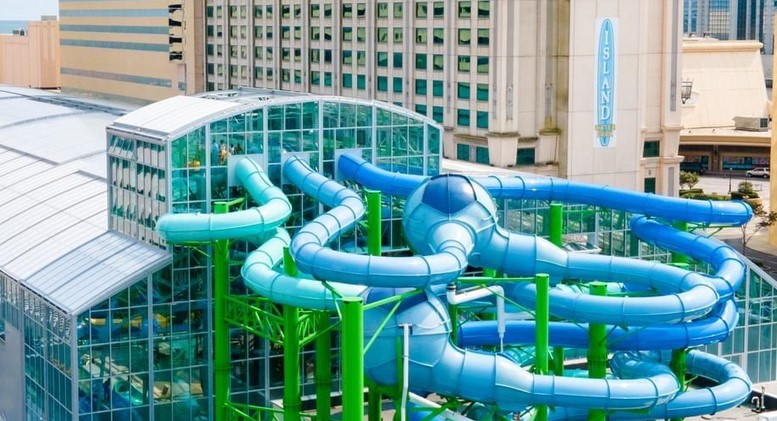
Many tourism experts note that a destination can’t rely solely on gambling to maintain relevance. While the casino floor still drives significant foot traffic, attracting families and younger visitors increasingly depends on diverse entertainment offerings — from indoor attractions and nightlife to cultural venues and year-round events. There have been steps ion this direction in recent years like Island Waterpark at Showboat, the world’s largest indoor beachfront water park, which adds a family-friendly draw to the Boardwalk experience.

Additionally, development of multifaceted spaces like ACX1 Studios — a film production, music incubator and entertainment venue on a Boardwalk pier — demonstrates how reinventing existing real estate can bring new kinds of visitors and revenue.

2. Enhance the Boardwalk & Beach Experience

The Atlantic City Boardwalk remains one of the city’s marquee assets, but observers frequently argue it needs more investment and modernization to fully compete with regional peers. Additionally, some argue there is still a homeless element on the boardwalk that makes some feel unsafe and the frequent smell of cannabis isn't inviting for families. Wider, cleaner, better policed, more interactive public spaces and revitalized retail and dining options would help extend visitor stays and improve the overall experience. 

In response, the city and state have pursued preservation and revitalization efforts. Federal and state funding under the Boardwalk Preservation Fund has enabled large-scale reconstruction, replacing sections of wood with reinforced materials to support bigger events and wider traffic.

Beach replenishment projects led by the U.S. Army Corps of Engineers are restoring shoreline breadth, which is essential for peak summer tourism and enhances Atlantic City’s beach appeal compared with neighboring shore towns.

3. Improve Safety & Perception

Visitor surveys consistently highlight safety as a key consideration. Although local crime is down and targeted policing efforts have expanded, perception can lag behind reality. The city has ramped up patrols in high-tourism areas — including the boardwalk and Atlantic and Pacific Avenues — and is deploying a citywide camera project to aid real-time monitoring and community confidence.

Proactive partnerships, such as the Boardwalk Improvement Group (BIG), integrate public and private efforts to address homelessness and quality-of-life issues that can affect visitor experience, focusing on cleanup, engagement and services in key areas.

4. Boost Marketing & Unified Branding

A common complaint is that Atlantic City’s marketing is fragmented, making planning trips less seamless than competing destinations. To address this, Visit Atlantic City recently consolidated its brand and digital presence into a single, more compelling platform to help travelers find information and inspiration in one place.

5. Grow Events, Sports Tourism & Entertainment

A diversified calendar of events can turn Atlantic City into a destination beyond casino lodging. Many feel the drawing power and the frequency of headliners being booked in A.C. has been lacking. Strategic partnerships between Visit Atlantic City and the Casino Reinvestment Development Authority (CRDA) have already produced coordinated entertainment initiatives that generate significant revenue, spur job creation and expand year-round visitation.

Hosting multi-day attractions at historic venues like Jim Whelan Boardwalk Hall — from concerts to competitions — further positions the city as a hub for cultural tourism.

6. Invest in Hospitality & Property Upgrades

Major resort properties are reinvesting to stay competitive. For example, Hard Rock Hotel & Casino Atlantic City is undergoing a multi-million-dollar capital improvement plan to modernize rooms, expand dining options and enhance guest experiences, signaling confidence in the city’s tourism future.

Similarly, other casino resorts have announced significant renovations and new attractions to improve guest satisfaction and lengthen stays — factors directly tied to repeat visitation.


In short, Atlantic City’s tourism future hinges on a coordinated blend of diversified attractions, enhanced public spaces, proactive public safety strategies, unified marketing and ongoing investment by the private sector. While the city still leverages its legacy as a gaming and seaside destination, these strategic steps show that leaders are actively working to broaden its appeal and create a more resilient tourism economy.

Small Declines Comment on Prosecutor as NAACP Calls for Resignation, Touts 'Faith, Resilience, Redemption' in Atlantic City

Atlantic City Mayor Marty Small on Monday declined to weigh in on the NAACP’s call for the resignation of Atlantic County Prosecutor Will Reynolds, saying he would not try his case “in the media” and would instead remain focused on running the city.

The issue surfaced during an appearance on Off The Press with Scott Cronick on WOND radio, following a news conference held earlier in the day at Second Baptist Church. The Atlantic City branch of the NAACP, led by Councilman Kaleem Shahbaz, criticized Reynolds’ handling of high-profile cases involving local officials, including the prosecution of Small and the subsequent dismissal of charges against his wife and Atlantic City High School Principal Constance Day Chapman.

Small, identifying himself as a proud NAACP member, said he respected the organization’s actions but would not comment further.

“That is the NAACP decision, which I wholeheartedly respect,” Small said. “I made a public pledge at the State of the City address that I won’t make any public comment on the matter concerning the case, the dismissal and everything else. Anything that will be talked about… will come from my attorney.”

He added, “You don’t try cases in the media. You try cases with the jury. For two years, my case was tried through the media… When I did my day in court, it’d be a different story. And it was.”

Cronick noted that Reynolds has said he remains committed to upholding the law “with integrity and independence” and invited the prosecutor to appear on the program later this week. Reynolds accepted and will appear on News Talk 1400 and 92.3 WOND Wednesday February 11th at 5pm.

Shifting to city business, Small emphasized that his administration is focused on what he called a new chapter for Atlantic City, anchored by the theme of this year’s State of the City address: “Faith, resilience, redemption — the future is ours.”

“I don’t want to fight nobody. Please leave me alone. Let me do my job,” Small said. “It’s time for the city, it’s time for my family, and it’s time for this community to heal.”

The mayor pointed to public safety statistics as a key achievement. According to Small, Atlantic City has seen significant reductions in violent crime, including a 59% drop in shootings, which he said ranks first in the state as tracked by the New Jersey Attorney General’s Office.

“It doesn’t pay to do crime in Atlantic City,” Small said, citing expanded use of license plate readers, artificial intelligence technology and new police drones capable of reaching crime scenes quickly. “The great city of Atlantic City actually has four mini helicopters at a fraction of the cost.”

Development remains another cornerstone of the administration’s agenda. Small said the long-anticipated redevelopment of Bader Field is closer than ever to formal approval and could soon appear on a City Council agenda.

“Bader Field will happen. This is as close as we’ve ever been,” he said, adding that the project is key to future tax relief and fiscal stability.

He also highlighted housing developments in the Inlet, along Atlantic Avenue and near Gardner’s Basin, describing them as “truly a game changer.”

“I’m just excited at this time to be mayor of the great city of Atlantic City,” Small said.

Atlantic City NAACP Calls for Atlantic County Prosecutor's Resignation Amid Political and Racial Tensions

ATLANTIC COUNTY, N.J. — Leaders from the Atlantic City branch of the NAACP and allied community figures publicly demanded Monday that Atlantic County Prosecutor William Reynolds resign, intensifying a growing controversy over his handling of high-profile cases involving local officials.

The news conference was held Monday morning at Second Baptist Church after technical issues forced a last-minute move from the originally planned St. James AME Church. The gathering brought together civil rights advocates and local leaders critical of Reynolds’ prosecutorial decisions, particularly the failed prosecution of Atlantic City Mayor Marty Small and subsequent moves to dismiss charges against other city officials.

Kaleem Shabazz, president of the Atlantic City NAACP chapter, led the remarks and directly challenged Reynolds’ judgment and motivations. Shabazz accused the prosecutor of eroding trust between law enforcement and the community, alleging that political and racial considerations influenced key decisions. While Shabazz acknowledged that Reynolds had done positive work in the past, he said the recent events “broke any trust” with city residents.

Reynolds has vigorously rejected the criticisms. In a written statement released ahead of the event, he defended his actions and the independence of his office. “Upon taking my oath (in 2022), I swore to uphold the laws of the State of New Jersey and the United States, and I intend to keep doing so with integrity and independence,” he wrote. “The Atlantic County Prosecutor’s Office rejects any further allegation that its decisions are driven by political or racial considerations.”

The clash stems from a highly publicized child-abuse and witness tampering case against Mayor Small, who was acquitted by a jury earlier this year. That verdict prompted the Prosecutor’s Office to seek the dismissal of related charges against Atlantic City Schools Superintendent Dr. La’Quetta Small and Atlantic City High School Principal Dr. Constance Days-Chapman — moves that further fueled local debate over prosecutorial discretion.

Reynolds also alleges interference from Atlantic County Executive Dennis Levinson in prosecutorial decisions, a matter that could play out further in court.

For more, listen to News Talk 1400 and 92.3 WOND - South Jersey's News/Talk Leader.

Atlantic City's Financial Outlook Improves: A Timeline

ATLANTIC CITY, NJ — Atlantic City’s financial standing continues to strengthen, highlighted by a recent investment-grade credit rating upgrade from Moody’s Ratings, the city’s first in more than a decade and a key milestone in its long recovery from from fiscal distress.

Moody’s upgraded the city’s issuer rating to Baa3, citing improved budget management, significant debt reduction and sustained state support. City officials said Atlantic City has reduced its outstanding debt to roughly $228 million, down from more than $500 million a decade ago, easing long-term financial pressure and improving its standing with investors.

“This is a vote of confidence in Atlantic City’s financial future,” Mayor Marty Small Sr. said in a statement following the upgrade. “We’ve made tough decisions, stayed disciplined and focused on stabilizing our finances while continuing to invest in our neighborhoods.”

The improved outlook extends beyond City Hall. Moody’s also raised the credit rating of the Atlantic City Municipal Utilities Authority, a move officials say will help lower borrowing costs for infrastructure projects and reflect broader fiscal stability across city-related agencies.

State support has played a major role in Atlantic City’s turnaround. Since 2016, New Jersey has provided hundreds of millions of dollars in financial assistance to help stabilize the city’s budget, reduce debt and limit property-tax increases. Atlantic City remains under state fiscal oversight, though recent upgrades have renewed discussion about gradually restoring more local control.

“Atlantic City is in a far better position today than it was several years ago,” Moody’s analysts wrote, pointing to improved liquidity and governance as key factors in the upgrade.

Despite the positive momentum, challenges remain. Casino revenue — still a cornerstone of the local economy — has remained relatively flat, even as online gaming grows and in-person visitation fluctuates. City leaders say diversification efforts, including infrastructure improvements, sports tourism and business development initiatives, are critical to long-term stability.

Economic development projects, including road repaving, facility upgrades and major events like the MAAC basketball championships, are aimed at driving year-round activity and strengthening the tax base.

“We’re not declaring victory,” Small said. “But the progress is real, and it shows that Atlantic City is moving in the right direction.”

For residents and investors alike, the message from credit agencies is clear: Atlantic City’s finances are more stable than they’ve been in years, even as officials continue working to secure sustainable growth.


Atlantic City Financial Recovery: A Timeline

2014–2015
Atlantic City faces severe financial distress as multiple casinos close, shrinking the tax base and pushing city debt above $500 million.

2016
New Jersey intervenes under the Municipal Stabilization and Recovery Act, placing Atlantic City under state fiscal oversight and providing emergency financial aid to prevent bankruptcy.

2017–2019
The city restructures debt, stabilizes annual budgets and begins receiving recurring state support to offset casino tax appeals and operating deficits.

2020–2021
Despite pandemic-related disruptions, Atlantic City maintains budget stability. State aid continues, and long-term debt reduction efforts remain on track.

2022–2024
The city steadily reduces outstanding debt, improves cash reserves and strengthens financial controls. Credit agencies begin signaling improved outlooks.

January 2026
Moody’s Ratings upgrades Atlantic City to investment-grade status (Baa3) for the first time in more than a decade, citing debt reduction, improved governance and sustained state backing.

2026 and Beyond
City debt stands at approximately $228 million, less than half its peak level. Officials focus on infrastructure investment, sports tourism, and economic diversification as Atlantic City works toward long-term fiscal independence and eventual easing of state oversight.

Island Waterpark at Showboat Secures $45.5 Million Clean-Energy Loan, City Officials Hail Economic Impact

Atlantic City’s push to expand year-round, non-gaming attractions received a boost this week with the closing of a $45.5 million Commercial Property Assessed Clean Energy (C-PACE) loan for the Island Waterpark at Showboat, a move city leaders say strengthens long-term investment along the Boardwalk.

The financing, provided by PACE Loan Group, is the first completed C-PACE loan under New Jersey’s statewide program, which allows developers to fund energy-efficient commercial projects through long-term, property-based financing. Project representatives said the loan will be used primarily to refinance existing construction debt while supporting the facility’s sustainable infrastructure.

City officials welcomed the funding as further validation of Atlantic City’s strategy to diversify beyond casinos. Mayor Marty Small Sr. said in a statement that projects like Island Waterpark help stabilize the local economy by attracting families, extending the tourism season, and supporting jobs that are not tied to gaming revenue.

Developers echoed that sentiment, noting that the waterpark has quickly become a key anchor on the city’s north Boardwalk. Representatives for the project said the C-PACE structure allows ownership to invest in large-scale attractions while keeping operating costs manageable, particularly through energy-efficient systems that reduce long-term expenses.

Since opening in 2023, the 120,000-square-foot indoor waterpark has drawn visitors throughout the winter months, offering an alternative to seasonal beach tourism. Business leaders say the continued success of the attraction has had ripple effects for nearby restaurants, hotels, and small businesses.

Economic development officials described the loan as a signal that lenders see Atlantic City as a viable market for modern, sustainable entertainment projects. They added that similar financing tools could play a role in future redevelopment efforts as the city continues reshaping its image as a multi-purpose destination.

MAAC Championships to Remain in Atlantic City Through 2031, Delivering Millions in Economic Impact

ATLANTIC CITY, NJ — Atlantic City will remain the home of the Metro Atlantic Athletic Conference (MAAC) Men’s and Women’s Basketball Championships through 2031, a decision local leaders say will continue to deliver significant economic benefits while reinforcing the city’s reputation as a premier destination for collegiate sports.

The MAAC announced this week that its Council of Presidents unanimously approved a five-year extension keeping the tournaments at Jim Whelan Boardwalk Hall, marking the longest host-site commitment in conference history. The agreement continues a partnership that began in 2020 and has grown steadily in attendance and national visibility.

“Atlantic City’s long-term investment in the MAAC Basketball Championships gives us the ability to continue elevating the Conference’s marquee event,” MAAC Commissioner Travis Tellitocci said in a statement. “The city provides a first-class championship environment for our student-athletes and fans.”

Beyond basketball, the championships have become a reliable economic driver for Atlantic City during the early spring tourism season. According to Visit Atlantic City and Atlantic City Sports Commission estimates, the 2026 tournament — scheduled for March 5–10 — is expected to attract approximately 10,000 visitors, generate nearly 2,000 hotel room nights and contribute an estimated $3.7 million in regional economic impact through spending on lodging, dining, transportation and entertainment.

“Sports tourism is a vital part of our local economy,” said Gary Musich, president and CEO of Visit Atlantic City. “Events like the MAAC Championships help fill hotel rooms, support small businesses and bring visitors to Atlantic City during a key shoulder season.”

Local restaurants, casinos and retail businesses along the Boardwalk and in surrounding neighborhoods have seen consistent increases in foot traffic during championship week in recent years, according to city tourism officials. Many businesses report that the multi-day format — which features both men’s and women’s tournaments — encourages longer stays and repeat visits.

Boardwalk Hall General Manager Jim McDonald said the extended agreement also benefits the city beyond immediate spending. “Having the MAAC here year after year allows Atlantic City to showcase itself on a national stage through ESPN broadcasts and digital coverage,” McDonald said. “That exposure helps attract future sporting events, conventions and visitors.”

City officials say the championships complement broader efforts to diversify Atlantic City’s economy by expanding its sports and entertainment portfolio, while providing steady work for hospitality employees and seasonal staff.

With the MAAC locked in through 2031, Atlantic City leaders say the focus now turns to continuing to enhance the fan experience and building on the momentum the event has created.

“This partnership has become a win for the conference and a win for our community,” Musich said. “We’re proud to continue hosting.”

MAAC Championships Provide Boost for Hotels, Restaurants

Hotels and restaurants across Atlantic City are expected to see a noticeable uptick in business during the MAAC Men’s and Women’s Basketball Championships, which return to Jim Whelan Boardwalk Hall in March.

Tourism officials estimate the multi-day tournament will generate nearly 2,000 hotel room nights, with teams, fans, conference officials and media filling rooms citywide. Properties along the Boardwalk and near the Convention Center have traditionally reported strong occupancy during championship week.

Restaurants and bars, particularly those near Boardwalk Hall and the Marina District, also benefit from increased foot traffic as visitors dine out between games and attend post-game events. City officials note the combined men’s and women’s tournament format encourages longer stays, spreading spending across multiple days.

Local leaders say events like the MAAC Championships help support year-round employment and strengthen Atlantic City’s hospitality sector during the early spring tourism season.

Atlantic City Road Paving Projects This Spring - What to Expect

ATLANTIC CITY, NJ — Atlantic City officials say a long-anticipated series of major road paving projects is set to begin this spring, bringing smoother streets and improved traffic flow to key corridors throughout the resort city.

City leaders announced that repaving of Atlantic Avenue, one of the city’s busiest thoroughfares, is slated to start in the coming weeks as weather permits, with preparatory work already underway on sidewalks, curbing and signal upgrades. Mayor Marty Small, Sr. described the work as a critical investment in the city’s infrastructure. “These improvements are not just about new pavement — they’re about making Atlantic City safer and more efficient for residents, visitors and businesses,” Small said.

In addition to Atlantic Avenue, a full repaving of Pacific Avenue is already in progress following the award of $5.3 million in combined state and federal grant funding, the mayor’s office said. That project includes synchronized traffic signals along major corridors and new pedestrian sidewalks connecting Atlantic City High School to surrounding neighborhoods.

The Atlantic Avenue project — estimated to cost $17.6 million — is funded through a $10.3 million federal grant from the Federal Highway Administration, multiple New Jersey Department of Transportation (NJDOT) grants, and city resources, according to city officials.

State transportation leaders also emphasized the broader impact of the work. “This is a historic moment because, for the first time in a very long time, residents and visitors alike will experience newly paved roads through the main arteries of our great city,” said NJDOT Commissioner Fran O’Connor.

Officials say the improvements — including ADA-compliant features, enhanced lighting and synchronized traffic lights — will continue into late spring and early summer, weather permitting.


What Drivers Should Expect During Atlantic City Road Work

Motorists traveling through Atlantic City should expect lane closures, traffic shifts and periodic detours as major road paving projects get underway this spring, city officials said.

Construction will primarily affect Atlantic Avenue and Pacific Avenue, two of the city’s busiest corridors. Work is expected to be conducted in phases to minimize disruptions, with crews generally limiting full road closures and keeping at least one lane of traffic open whenever possible.

City officials said night and off-peak construction hours may be used in certain areas to reduce congestion during peak travel times, especially ahead of the busy summer season. Temporary parking restrictions may also be posted along construction routes.

Drivers are encouraged to follow posted detour signs, allow extra travel time and remain cautious around construction zones. Pedestrians should also expect changes to sidewalks and crossings as ADA upgrades and signal improvements are installed.

The city said regular updates on traffic patterns and construction schedules will be posted on its website and social media channels as work progresses.

Archives:

2026-02 | 2026-01 | 2012-03

On Air Now

Don Williams
Don Williams
6:00am - 10:00am
The Don Williams Show

WOND Facebook

Weather

Community Calendar

April

S M T W T F S
      1 2 3 4
5 6 7 8 9 10 11
12 13 14 15 16 17 18
19 20 21 22 23 24 25
26 27 28 29 30